Hydrogen Leak Detection for EV Battery Systems
High-Sensitivity Leak Detection for Electric Vehicle Battery Manufacturing & Validation
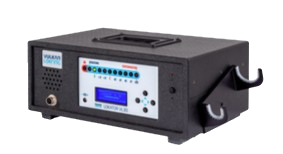
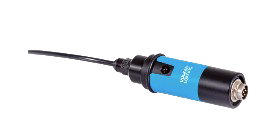
Hydrogen tracer gas leak detection is a proven and highly sensitive method for detecting leaks in electric vehicle (EV) battery systems, including battery enclosures, cooling circuits, thermal plates, and sealed modules. Using a safe hydrogen/nitrogen tracer gas mixture and precision hydrogen leak detectors, manufacturers can identify micro-leaks that compromise battery safety, thermal performance, and long-term reliability.
This technology is widely used in EV battery manufacturing, end-of-line testing, and R&D validation labs.
Why Leak Detection Is Critical for EV Batteries
EV battery systems must remain sealed and mechanically robust to ensure:
-
Protection from moisture and contaminants
-
Stable thermal management
-
Electrical safety and insulation integrity
-
Compliance with automotive safety standards
-
Long service life and warranty reliability
Even extremely small leaks can lead to coolant loss, condensation, corrosion, or thermal runaway risks, making high-sensitivity leak detection essential.
How Hydrogen Leak Detection
Works for EV Battery Applications
- Hydrogen has a low background of 0.5% in air, so is an ideal tracer gas
- H2 Leak Detectors are very robust and easy to maintain and repair.
- The 5% H2/95% N2 tracer gas mixture is readily available and low cost (less than 25% of 100% Helium)
- Detectable leak rates for our hydrogen leak detectors low as 5.0 x 10e-06 mbar liters/sec. which make them equal to helium leak detectors.
- Fast response of <1 Second in detection
- Can be calibrated to a NIST Traceable Leak to meet stringent QC standard.
Hydrogen Leak Detection vs. Other Methods
| Method | Limitations | Hydrogen Advantage |
|---|---|---|
| Pressure Decay | No leak location | Pinpoints exact leak |
| Helium Leak Testing | High cost, limited supply | Lower operating cost |
| Bubble Testing | Subjective, not scalable | Quantitative results |
| Vacuum Testing | Limited to certain components | Works at atmospheric pressure |